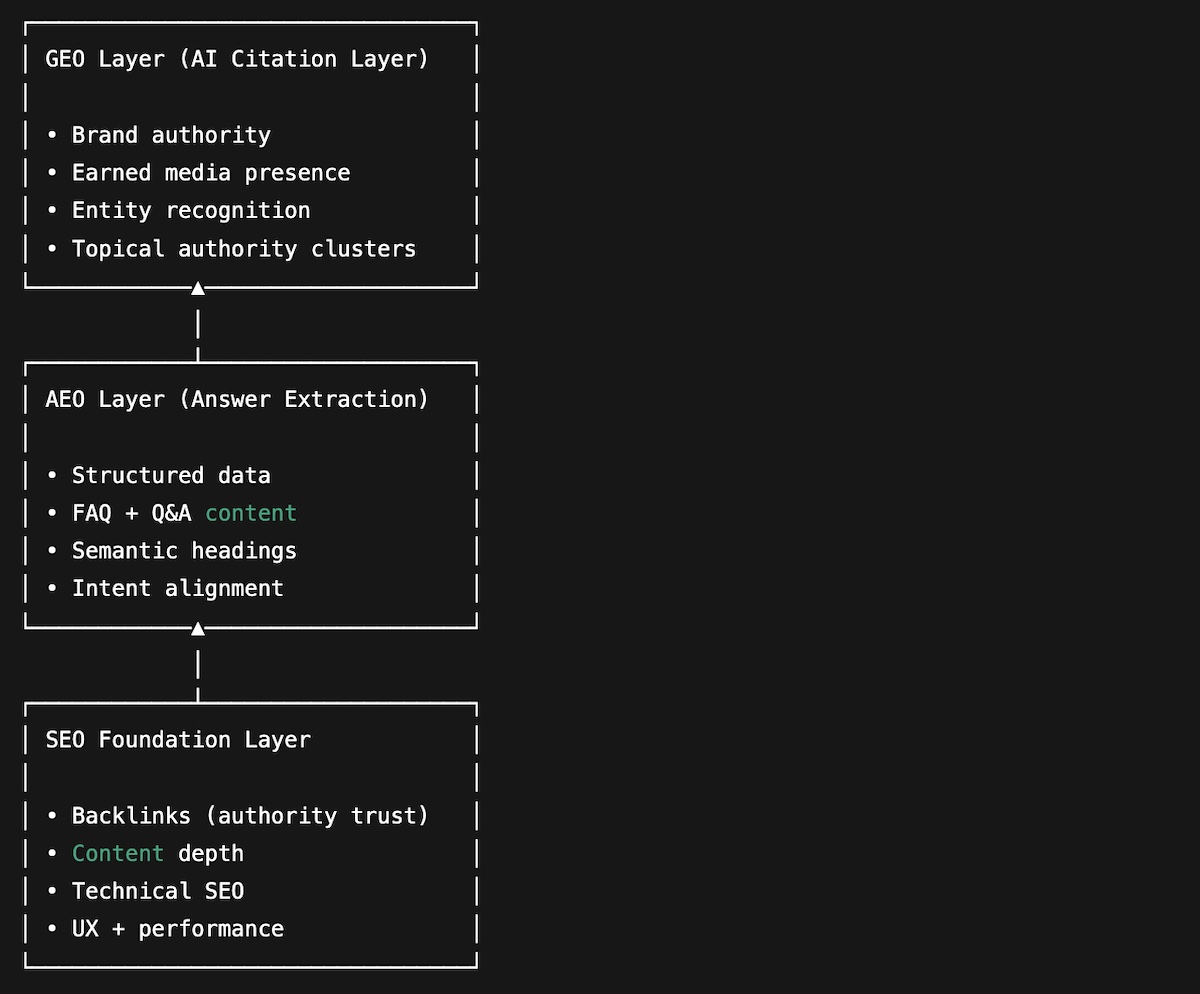
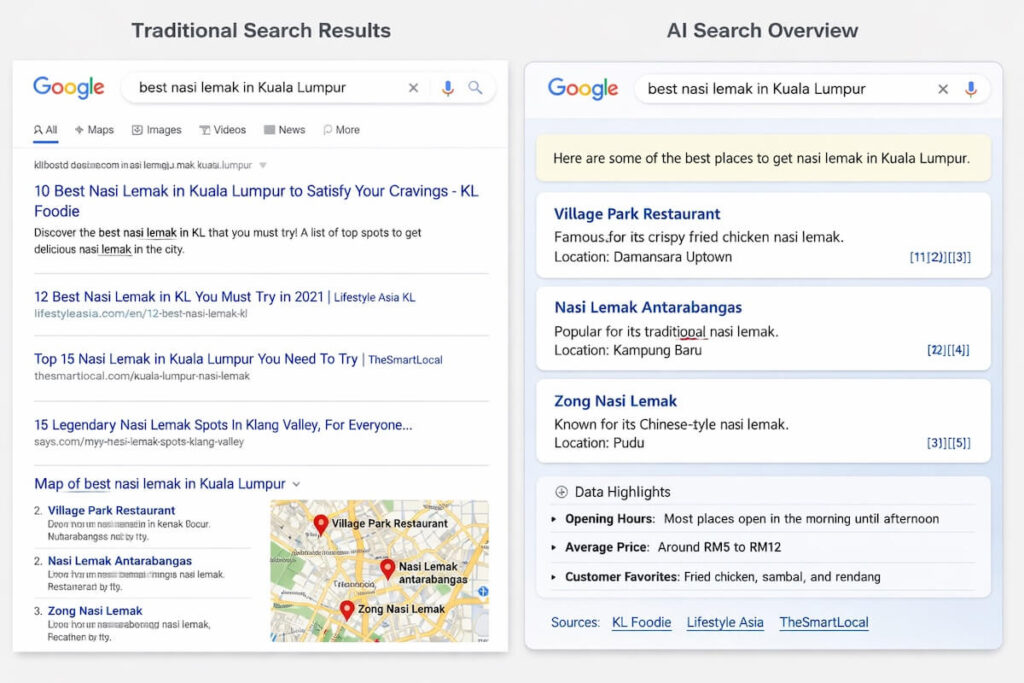
The search landscape in Malaysia has shifted. If you’re still obsessing over “blue link” rankings on page one, you’re playing a 2020 game in a 2026 world. With the full integration of AI Overviews (SGE) and the rise of Answer Engines like Perplexity, the goal for Malaysian business owners has evolved from “getting clicks” to “becoming the cited source.”
But here’s the dilemma: Should you double down on technical precision with structured data, or is the old-school muscle of authoritative backlinks still the king of the hill?
At Mackyclyde SEO, we’ve been stress-testing these variables across the Malaysian digital ecosystem. Here’s the expert breakdown of where your SEO budget should actually go this year.
The New Search Reality: From Keywords to Vectors
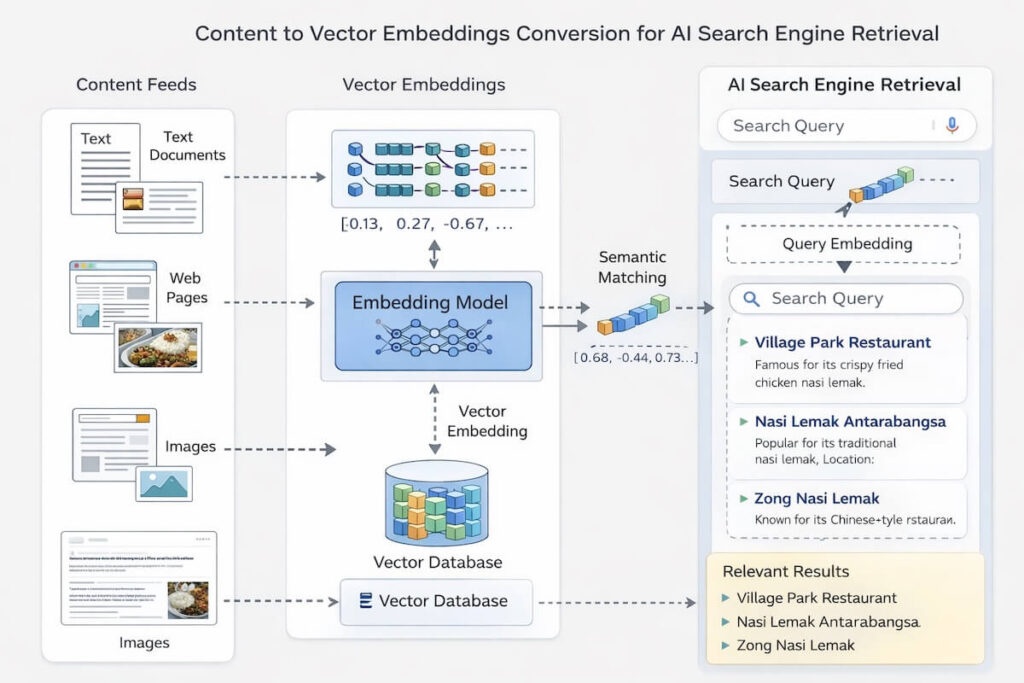
In 2026, search engines don’t just “read” your content; they “embed” it. Google’s algorithms now use advanced vector models to understand the semantic relationship between your business and the queries Malaysians are making. Whether it’s a SME in Bangsar or a tech startup in Cyberjaya, your visibility depends on how easily an AI can map your expertise into its knowledge graph.
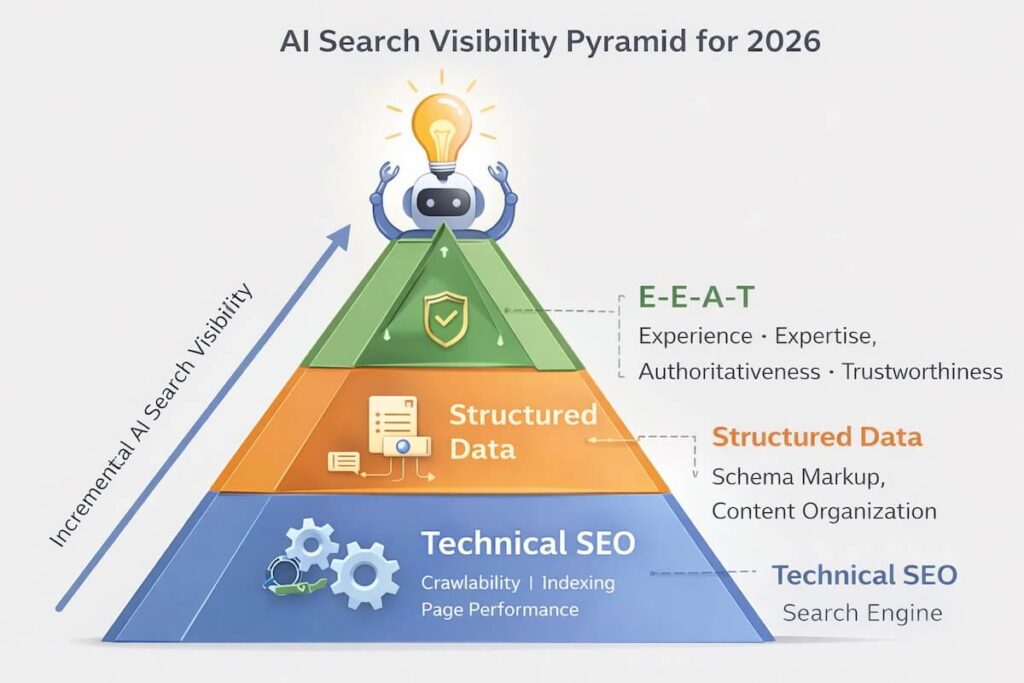
Structured Data: The “API” for AI Search Engines
Think of structured data (Schema.org) as the direct line to an AI’s brain. While your human readers see a beautiful website, AI engines see a mess of HTML unless you provide a clear, machine-readable map.
Why It’s Non-Negotiable for AEO
Answer Engine Optimization (AEO) relies on the ability to extract facts instantly. If a user asks, “What’s the best e-commerce platform for SMEs in Malaysia?”, the AI looks for specific entities. By using Product, Review, and FAQPage schema, you’re essentially handing the AI a pre-written script to use in its answer.
The Vector Advantage
Clean structured data reduces “noise.” When your code is precise, the vector embeddings generated from your site are tighter and more relevant. This makes it significantly easier for Generative Engine Optimization (GEO) systems to cite you as a primary source.
Key Schema for the Malaysian Market:
•LocalBusiness: Essential for capturing “near me” intent in high-density areas like KL and Penang.
•Organization: Establishes your brand entity within the global knowledge graph.
•Offer: Crucial for the competitive e-commerce landscape on Shopee and Lazada.
Backlinks: The “Human-Verified” Trust Signal
If structured data is how AI understands you, backlinks are why AI trusts you. In an era where AI can generate infinite content, “Trust” (the final T in E-E-A-T) has become the most expensive currency in SEO.
The Authority Paradox
AI engines are programmed to avoid hallucinations. To do this, they cross-reference information against “consensus.” If reputable Malaysian outlets like The Star, SoyaCincau, or Vulcan Post are linking to your data, the AI views your content as a verified fact rather than a statistical guess.
Quality Over Quantity (The 2026 Rule)
The days of buying 1,000 directory links are dead. In 2026, one high-authority mention from a relevant Malaysian industry leader is worth more than an entire year of low-tier link building. This is where Digital PR intersects with AI SEO, you need real people talking about your brand to convince the machines you’re the real deal.
Head-to-Head: The 2026 Priority Matrix
| Feature | Structured Data (The Skeleton) | Backlinks (The Muscle) |
| Primary Function | Clarity & Machine Understanding | Authority & Human Validation |
| Speed of Impact | Immediate (Post-crawl) | Long-term & Cumulative |
| Cost to Implement | Low (Technical Time) | High (PR & Relationships) |
| AI Search Role | Helps AI find the answer | Helps AI trust the answer |
| GEO/AEO Priority | High (The Barrier to Entry) | Critical (The Competitive Edge) |
The Verdict: Which Matters More?
The answer isn’t a choice; it’s a sequence.
For 2026, Structured Data is your “License to Play,” but Backlinks are your “Way to Win.”
If you have perfect schema but zero authority, the AI will understand you but ignore you. If you have great backlinks but poor structure, the AI will trust you but struggle to cite you accurately.
The “Mackyclyde SEO” Strategy for Malaysian Businesses
At Mackyclyde SEO, we recommend a “Structure First, Authority Second” approach:
1.Fix the Foundation: Implement comprehensive Schema.org markup to ensure you are machine-readable.
2.Optimize for Vectors: Audit your content for semantic depth—ensure you’re answering the “how” and “why” that Malaysian consumers are asking.
3.Build the Moat: Execute a Digital PR strategy to earn high-authority Malaysian backlinks that solidify your E-E-A-T.
Action Plan for Malaysian Business Owners
Don’t let the complexity of AI SEO paralyze your growth. Start with these three steps:
1.Audit Your Entities: Does Google know your business address, phone number, and services as a single, unified entity?
2.Answer the Query: Use the “Inverted Pyramid” style. Give the direct answer in the first paragraph, then provide the expert depth.
3.Leverage Local Authority: Focus on getting mentioned in local Malaysian contexts. AI search is increasingly localized.
The future of search isn’t about being the loudest; it’s about being the most trusted and the easiest to understand. If you’re ready to transition your strategy for the AI era, Mackyclyde SEO is here to bridge that gap.