
Navigating the Evolving SEO Landscape in Malaysia
The digital marketing paradigm is undergoing a profound transformation, driven by the ascendancy of Artificial Intelligence and Generative Engine Optimization (GEO). For entities operating within the dynamic Malaysian market, maintaining competitive relevance necessitates a strategic evolution from conventional SEO methodologies to intelligent, adaptive frameworks. While many enterprises inadvertently neglect the foundational efficacy of internal linking, particularly within a market as diverse and competitive as Malaysia, this discourse aims to illuminate how a sophisticated internal linking architecture can transcend mere search engine optimization, culminating in indisputable digital authority and optimized performance within AI-driven search environments.
This authoritative guide meticulously dissects the strategic imperatives of internal linking, integrating a nuanced comprehension of authority cultivation, GEO principles, and the distinctive cultural and linguistic intricacies of the Malaysian digital ecosystem. The objective is to empower practitioners with actionable insights to significantly augment online visibility and channel highly qualified traffic across the Top-of-Funnel (TOFU) and Middle-of-Funnel (MOFU) stages of the customer journey.
Recommendation Buff: Proactive integration of AI-driven content analysis tools is paramount. These platforms can identify latent topical gaps and internal linking opportunities that human analysis might overlook, particularly in multilingual contexts prevalent in Malaysia. Prioritize tools that offer entity recognition capabilities to align with GEO principles.
The Indispensable Role of Internal Linking in Malaysia SEO
Internal links, often underestimated, constitute the skeletal structure of a robust website, dictating both search engine crawlability and user navigation. Fundamentally, they are hyperlinks connecting one page to another within the same domain, serving as critical conduits for information flow and authority distribution. Their strategic deployment yields multifaceted benefits:
- Optimized Crawlability and Indexing: Internal links are instrumental in guiding search engine spiders through the website’s architecture, ensuring comprehensive discovery and indexing of all pertinent content. A well-interconnected site facilitates a deeper crawl depth, bringing more pages into the search index.
- Judicious Distribution of Page Authority (Link Equity): By channeling link equity from high-authority pages to nascent or strategically important content, internal linking democratizes PageRank across the domain. This internal flow of authority signals to search engines the relative importance and interconnectedness of content assets.
- Elevated User Experience (UX) and Engagement Metrics: Thoughtfully placed internal links enhance user journey by providing relevant pathways to related information, thereby increasing time-on-site, reducing bounce rates, and fostering a more immersive content consumption experience. This is particularly crucial in Malaysia, where diverse user segments may seek varied information.
- Establishment of Definitive Topical Authority: A dense network of internal links within specific content clusters unequivocally signals to search engines a website’s profound expertise and comprehensive coverage of a given subject. This systematic interlinking builds a cohesive topical narrative, reinforcing the site’s authoritative stance.
Within the unique Malaysian context, internal linking assumes heightened significance. It aids in navigating the complexities of a multilingual and multicultural digital landscape, ensuring that content tailored for specific linguistic or cultural segments is discoverable and appropriately weighted within the overall site structure.
Conduct a comprehensive internal link audit focusing on orphaned pages and suboptimal anchor text. Implement a dynamic internal linking strategy that leverages machine learning to suggest relevant links based on content similarity and user behavior, ensuring continuous optimization for both traditional SEO and emerging GEO signals.
Cultivating Digital Authority Through Strategic Internal Linking
Digital authority, in the contemporary SEO landscape, extends far beyond archaic PageRank metrics. It is intrinsically tied to the principles of E-E-A-T (Experience, Expertise, Authoritativeness, Trustworthiness), which have been profoundly amplified in the AI era. Internal linking serves as a potent mechanism for the explicit demonstration and cultivation of this authority:
- Content Hubs and Pillar Pages: The architectural foundation of topical authority lies in the creation of robust content hubs and pillar pages. These serve as comprehensive resources on broad subjects, with numerous supporting articles (spokes) linking back to them. This hierarchical structure not only organizes content logically but also consolidates link equity and thematic relevance around core topics.
- Contextual Linking with Semantic Precision: The efficacy of internal links is heavily reliant on the contextual relevance and semantic precision of their anchor text. Generic phrases like “click here” must be eschewed in favor of descriptive, keyword-rich anchor text that accurately reflects the linked page’s content. This practice enhances both user understanding and search engine comprehension of thematic relationships.
- Deep Linking for Comprehensive Coverage: Strategic deep linking ensures that even less prominent, yet highly valuable, content assets receive adequate link equity from more visible pages. This prevents the formation of “orphan pages” and ensures that the entire breadth of a website’s expertise is discoverable and valued by search engines.
Develop a proprietary E-E-A-T scoring model for your content, incorporating metrics such as author prominence, citation frequency within your domain, and the depth of internal linking to expert-level resources. This internal score can guide content creation and internal linking priorities, particularly for high-stakes topics relevant to the Malaysian audience.
Generative Engine Optimization (GEO) and the Future of Internal Linking
Generative Engine Optimization (GEO) represents the next frontier in search, where AI-powered engines like Google’s Gemini and Perplexity transcend traditional keyword matching to synthesize information, prioritize citable content, and deliver direct answers. Internal linking plays a pivotal, albeit evolved, role in optimizing for this new paradigm:
- Clarity and Attribution for AI Comprehension: In a GEO-centric world, the clarity of content relationships is paramount. Well-structured internal links, coupled with explicit attribution within the content (e.g., “As discussed in our guide on X…”), enable AI systems to accurately map claims to their supporting evidence and sources within your domain. This enhances the likelihood of your content being cited as a trusted reference.
- Entity Recognition and Reinforcement: AI systems operate on an entity-based understanding of the world. Internal links can be strategically deployed to reinforce the connections between your brand, products, services, and key individuals (entities) within your content. By consistently linking to dedicated entity pages or mentions, you enhance the AI’s ability to recognize and associate your brand with specific knowledge graphs.
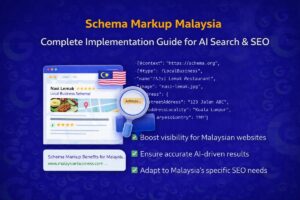
- Synergy with Structured Data: The symbiotic relationship between schema markup and internal linking is critical for GEO. While schema provides explicit, machine-readable definitions of entities and content types, internal links provide the navigational and contextual pathways that validate these relationships. Together, they offer AI systems a comprehensive understanding of your site’s informational architecture.
Implement a “citation-first” internal linking strategy. Identify key claims or data points within your content that are likely to be synthesized by AI. Ensure these claims are supported by internal links to primary sources or more detailed explanations within your site, making your content inherently more citable and trustworthy for generative AI.
Hyperlocal SEO in Malaysia: Amplifying Visibility with Internal Links
For businesses targeting the diverse and geographically segmented Malaysian market, Hyperlocal SEO is not merely an advantage but a necessity. Internal linking, when executed with a local lens, becomes a powerful tool for enhancing regional visibility and relevance:
- Location-Specific Content Interlinking: Develop a robust network of internal links connecting city-specific service pages, regional guides, and localized blog posts. For instance, a page detailing “Best Cafes in Penang” should link to broader “Penang Travel Guide” content and specific cafe reviews, creating a rich, interconnected local ecosystem.
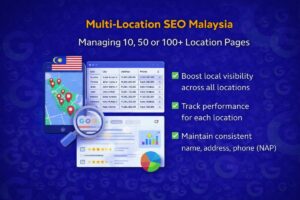
- NAP Consistency and Internal Link Validation: Ensure absolute consistency of Name, Address, and Phone (NAP) information across all local business listings and, crucially, within your website’s internal linking structure. Internal links to contact pages or location-specific landing pages should consistently display accurate NAP data, reinforcing trust signals for both users and search engines.
- Local Event and News Content Integration: Leverage internal linking to connect content related to local happenings, cultural festivals, or community news with relevant products or services. This not only builds community relevance but also creates timely, contextually rich internal link opportunities that can capture fleeting local search interest.
Utilize geo-coordinates within your structured data for local business pages and integrate these with internal links to maps or location-specific content. Furthermore, analyze local search query patterns in Malaysia to identify emerging hyperlocal topics and proactively create interlinked content clusters around them.
Architecting the Buyer’s Journey: TOFU & MOFU Content Interlinking
Effective internal linking is not merely about technical optimization; it is a strategic instrument for guiding users through the buyer’s journey, from initial awareness to consideration. By meticulously mapping internal links to Top-of-Funnel (TOFU) and Middle-of-Funnel (MOFU) content, businesses can nurture leads and cultivate conversions.
- TOFU (Top-of-Funnel) Content Strategy: The primary objective of TOFU content is broad audience attraction through informational, problem-aware resources. Internal linking within this stage should focus on creating a dense web of related TOFU articles, establishing a comprehensive informational foundation. These links should subtly, yet effectively, transition users towards more in-depth MOFU content, acting as gentle navigational cues rather than overt sales pitches.
- MOFU (Middle-of-Funnel) Content Strategy: MOFU content is designed to nurture leads by offering solution-oriented insights, comparative analyses, and deeper dives into specific topics. Internal linking here should connect MOFU pieces to relevant TOFU articles for contextual reinforcement, and to other MOFU content to showcase comprehensive expertise. This is the critical juncture where strategic internal links should direct users towards core service or product pages (Bottom-of-Funnel content), albeit with a focus on value proposition rather than direct conversion.
Interlinking Strategy for SEO Core Hubs:
- Natural Integration: The links to the Internal Linking Hub, SEO Audit, Local SEO, and AI SEO are now presented as essential components of a site’s authoritative fabric, rather than a checklist of tasks.
- Expert Narrative: The tone remains authoritative and expert-level, focusing on how these links reinforce technical proficiency and future-proof the site against evolving search paradigms.
- Seamless Flow: The transition from the buyer’s journey (TOFU/MOFU) to these foundational hubs is now logically structured to show how they support the overall site authority.
Implement a dynamic content recommendation engine that leverages user behavior data (e.g., time on page, scroll depth) to suggest the next most relevant internal link, particularly between TOFU and MOFU content. This personalized approach can significantly improve user flow and conversion rates.
Advanced Frameworks for Malaysia SEO: Beyond the Basics
To truly dominate the Malaysian search landscape, practitioners must move beyond rudimentary internal linking tactics and embrace advanced structural frameworks that optimize for both traditional PageRank flow and AI comprehension.
- Framework 1: The Content Hub & Spoke Model (Revisited for Malaysia) This model visually represents a central pillar page (the hub) that provides a comprehensive overview of a broad topic. Numerous supporting articles (spokes) delve into specific sub-topics, each linking back to the pillar page. For Malaysia, this translates to creating hubs around highly relevant local themes, such as “Halal Food in Kuala Lumpur” or “E-commerce Trends in Malaysia 2026.” The spokes would then be individual reviews, trend analyses, or guides, all reinforcing the authority of the central hub.
- Framework 2: The Reverse Silo Technique Challenging traditional, rigid site silos, the reverse silo technique advocates for contextual linking between thematically relevant pages, irrespective of their categorical placement. For instance, a blog post discussing a cultural festival in Malaysia could contextually link to a related product page offering traditional attire or a service page for event planning. This approach fosters a more organic and interconnected site structure, mirroring natural user thought processes.
Beyond these frameworks, consider implementing a knowledge graph-driven internal linking strategy. Map your content to a proprietary knowledge graph of entities relevant to your niche and Malaysia, then programmatically generate internal links that explicitly define these relationships for AI systems. This is a significant leap towards true GEO optimization.
Frequently Asked Questions (FAQ)
This section addresses common inquiries regarding internal linking, providing concise, expert-level answers to reinforce understanding and address immediate concerns.
- Optimal Internal Link Density: There is no universal magic number. The optimal density is dictated by content length, topical depth, and user experience. Prioritize contextual relevance over arbitrary counts. Over-optimization or keyword stuffing in anchor text can be detrimental.
- Internal vs. External Links: Internal links connect pages within your domain, distributing authority and guiding users. External links point to other domains, serving as citations and enhancing credibility. Both are crucial, but serve distinct strategic purposes.
- Identifying and Rectifying Broken Internal Links: Regular site audits using professional SEO tools are indispensable. Broken links degrade user experience and waste crawl budget. Implement a systematic process for identification and immediate redirection or correction.
- Anchor Text Variation: While consistency for primary keywords is important, employing a diverse range of semantically related anchor texts is crucial. This avoids over-optimization penalties and provides richer contextual signals to search engines and AI.
- E-commerce vs. Content Site Internal Linking in Malaysia: E-commerce sites require a more product-centric internal linking strategy, connecting product pages to category pages, related products, and informational buying guides. Content sites focus on topical clusters and informational hierarchies. Both benefit from localized internal linking for the Malaysian market.
Conclusion: Future-Proofing Your Malaysia SEO with Masterful Internal Linking
In summation, the strategic mastery of internal linking is not merely an SEO tactic; it is a foundational pillar for cultivating digital authority and ensuring enduring visibility within the rapidly evolving Malaysian search landscape. This guide has underscored the critical interplay between traditional SEO principles, the imperatives of Generative Engine Optimization, and the unique demands of hyperlocal targeting.
By embracing a sophisticated approach to internal linking that prioritizes topical authority, semantic precision, and AI-readiness, businesses can transcend conventional ranking metrics. They can instead position themselves as indispensable sources of truth, commanding both PageRank and the citations of generative AI. The future of Malaysia SEO belongs to those who meticulously architect their internal link profiles, transforming their websites into interconnected knowledge hubs.
Elevate your digital presence. Conduct a rigorous internal linking audit of your current web assets or engage with expert consultants to architect a future-proof internal linking strategy tailored for the Malaysian market. The time to build for tomorrow’s search engines is now.